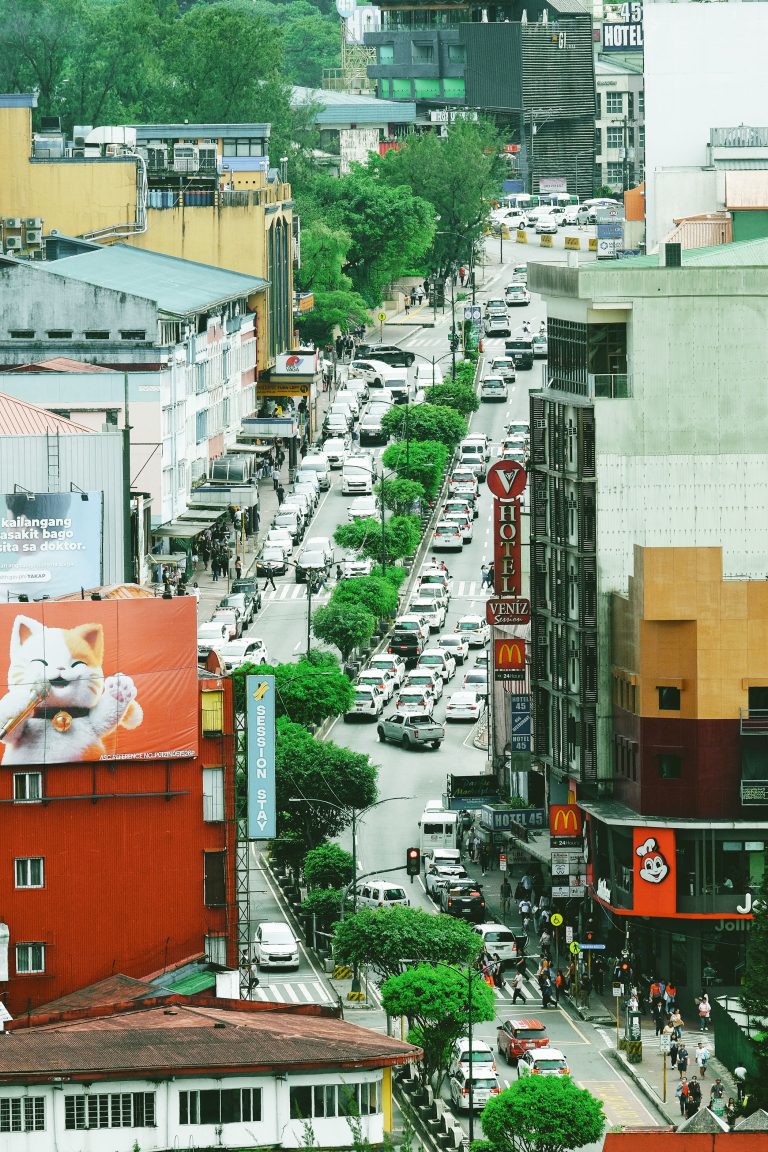
Due to excessive supply, Benguet farmers have developed their own methods for selling their crops. A farmer at a Burnham Park offers passing visitors the highland staple at a "giveaway" price of 80 pesos for five kilograms.**Photo by neimless_skills
As CAR employment rate dips
BAGUIO CITY – The Philippine Statistics Authority – Cordillera (PSA-CAR) said more investments are needed to address a slight drop in the region’s employment rate, which fell to 97.3 percent in 2025 from 97.5 percent in 2024.
“There has to be an improvement in the business climate through the infusion of additional investment. But of course this will happen if there is investor confidence, which is also dependent on the political climate. If there are issues of corruption, investor confidence also decreases,” said Aldrin Bahit, chief statistician of PSA-CAR, on Wednesday.
Based on the latest labor force survey, the number of employed persons in Cordillera decreased from 842,000 in 2024 to 832,000 in 2025.
Bahit said wholesale and retail trade recorded a drop of about 7,000 employees, while mining and quarrying saw a decrease of nearly 4,000 workers — from 21,700 to 17,800.
“We still have to know whether the decrease was because of retirement, resignation, or because companies laid off workers or closed down,” he said.
He noted that the increase in clerical support workers and technical associate professionals helped limit the unemployment rate gap.
Among provinces, Mountain Province posted the highest employment rate at 98.5 percent, followed by Ifugao and Kalinga at 97.8 percent, and Benguet at 97.7 percent — all above the regional average. Baguio City recorded the lowest employment rate at 95.8 percent.
The services sector accounted for the largest share of employment at 46.3 percent, followed by agriculture at 38 percent, and industry at 15.8 percent.
Wage and salary workers comprised 54.7 percent of the workforce, with 54.7 percent in the private sector and 13.6 percent in government or government-controlled corporations. Self-employed workers without any paid employees made up 33.3 percent, unpaid family workers 10.1 percent and employers 1.9 percent.
PSA-CAR Regional Director Villafe Alibuyog said the labor force survey is regularly conducted to guide decision-makers on appropriate responses and priorities. **Liza Agoot