Water sources serving Baguio City have recovered significantly following weeks of sustained rainfall, but the Baguio Water District (BWD) is reminding the public to continue conserving water as the city prepares for increased demand and potentially drier conditions in the coming months.
BWD General Manager Engr. Salvador M. Royeca reports that the District’s water sources have reached 92.04% recovery as of August 31, 2026, marking a significant improvement from conditions during the dry season.
The recovery was largely driven by sustained rainfall throughout August, influenced by the southwest monsoon, or Habagat, which helped replenish groundwater aquifers, spring sources and rainwater harvesting facilities. Increased rainfall during the third quarter generally provides favorable conditions for the recharge of groundwater and other water sources.
GM Royeca said the seasonal recovery is particularly important as BWD prepares for increased water demand during the peak tourist season and strengthens the city’s water supply resilience in anticipation of potentially drier conditions associated with El Niño.
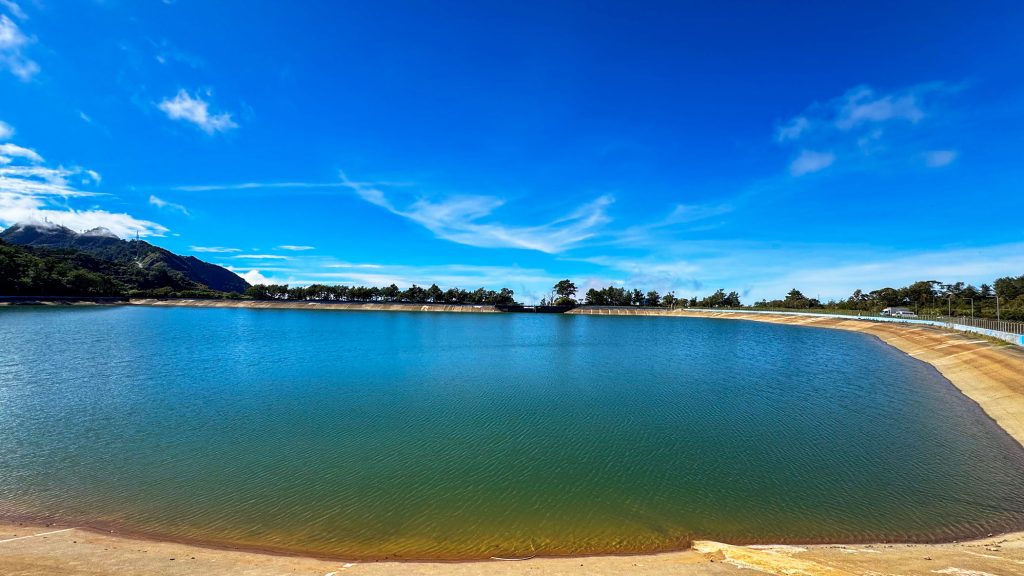
Among BWD’s major storage facilities, the Sto. Tomas Rain Basin (STRB) has reached its full water level of 12.40 meters, providing an additional backup supply equivalent to approximately 12% of Baguio City’s overall water demand and potentially supporting demand for up to six months.
The Busol Rainwater Harvesting Facilities have likewise recorded significant improvements.
Despite these positive developments, BWD underscored that improved water availability should not be viewed as a reason to increase consumption.
“Water conservation is not only for times of shortage. It is a daily habit that helps protect our groundwater, extend our available supply, and ensure that every community continues to receive water even during the driest months,” GM Royeca said.
BWD relies primarily on groundwater extracted through deepwells and natural spring sources, both of which depend on sustained rainfall and healthy watersheds for adequate recharge.
As of August 2026, the District operates 76 deepwells, 90 pumping stations, four (4) open or spring sources, and two (2) rainwater harvesting facilities, serving more than 52,000 active accounts across three (3) major distribution areas and sixteen (16) operational sub-systems in Baguio City and parts of Tuba, Benguet.
BWD continues to develop new water sources, rehabilitate existing facilities, and improve its operational systems to strengthen water production and supply capacity. GM Royeca emphasized, however, that these efforts must be complemented by responsible and efficient water use among consumers.
The public is encouraged to promptly repair leaking faucets and fixtures, avoid unnecessary water use, reuse water whenever practical, practice rainwater harvesting, and use water efficiently in daily activities.
“Every drop saved today helps extend the available supply and gives our water sources more time to recover,” the BWD Chief said.
The District will continue to closely monitor its water sources and implement appropriate operational measures to maintain a stable and reliable water supply. At the same time, BWD will pursue long-term programs focused on source development, water conservation, infrastructure improvement, and watershed protection to further strengthen the city’s water security. **BWD