Councilor Betty Lourdes Tabanda has proposed an ordinance updating the city’s gender equality framework. The proposed 2026 Revised Gender and Development (GAD) Code is a comprehensive measure that seeks to further institutionalize gender mainstreaming across all levels of local governance and strengthens protections against gender-based violence. If and when enacted, it will expand inclusive access to public services for women and other marginalized sectors.
The proposed measure aligns the city’s policies with international commitments and national laws including the Magna Carta of Women, by mandating the integration of gender perspectives in planning, budgeting, legislation, and program implementation. It requires all city departments and barangays to adopt gender mainstreaming strategies, use sex-disaggregated data in decision-making, and ensure that at least 40 percent of members in development councils are women.
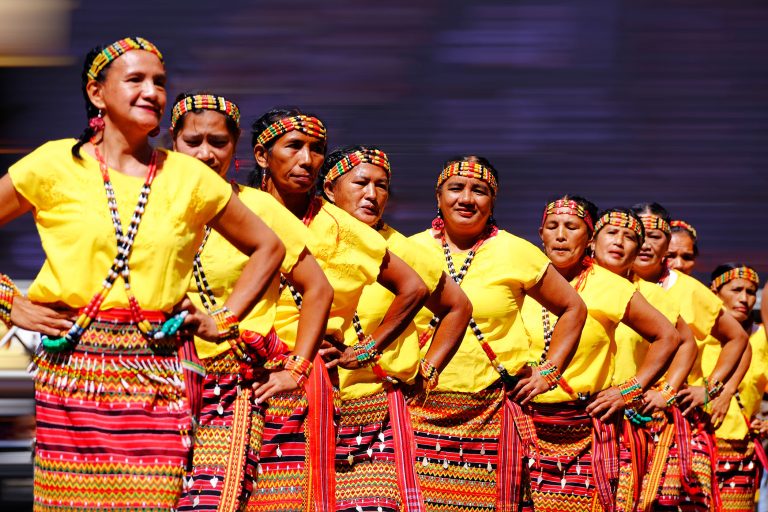
The proposed ordinance also promotes the representation of indigenous women and other marginalized groups in governance, alongside sustained support for research, leadership training, and capacity-building initiatives.
A significant portion of the ordinance focuses on strengthening the city’s response to gender-based violence. It mandates the establishment and continuous operation of Violence Against Women and their Children (VAWC) and Anti-Sexual Harassment desks in all barangays, reinforces the role of the Local Committee Against Trafficking and Violence Against Women and Children (LCAT-VAWC), and ensures access to crisis intervention services, counseling, and rehabilitation programs.
The measure also requires regular gender sensitivity training for law enforcers, health workers, and other frontliners, while institutionalizing public education campaigns and maintaining a centralized database to guide policy and enforcement.
In the area of health and social services, the ordinance adopts a gender-responsive and rights-based approach, strengthening reproductive health care, mental health services, and adolescent-friendly facilities. It ensures access to sexuality education and reproductive services, promotes men’s involvement in reproductive health, and mandates the continued operation of Women and Children Protection Units. Special attention is given to vulnerable sectors, including women with disabilities and those in especially difficult circumstances.
The proposed code also sets standards for gender equality in labor and employment by promoting safe and inclusive workplaces, prohibiting discrimination in hiring and promotion, and requiring the establishment of facilities such as child-minding centers and gender-responsive rest areas. It calls for mechanisms to monitor compliance with labor laws and expands support for overseas Filipino workers, domestic helpers, and women entrepreneurs through training, reintegration programs, and access to financial assistance.
In education, media, and culture, the measure prohibits discriminatory practices and materials that degrade women and children and encourages gender-responsive curricula, inclusive scholarship programs, and equal access to training opportunities. It promotes the use of indigenous knowledge and cultural expressions in advancing gender awareness and ensures that no student is denied education due to pregnancy or gender-related factors.
The ordinance further integrates gender considerations into environmental management, disaster risk reduction, tourism, and local industries, ensuring women’s participation in sustainability initiatives and economic activities.
It also supports the organization and empowerment of marginalized groups including the LGBTQIA+ community, by guaranteeing equal access to opportunities and resources.
The measure strengthens institutional mechanisms such as the Gender and Development Focal Point System (GFPS) and creates a dedicated City Gender and Development Unit to oversee planning, monitoring, and evaluation.
Moreover, it mandates the preparation of annual GAD plans and accomplishment reports, the establishment of a gender-responsive database, and the allocation of at least 5% of the city’s annual budget for GAD programs.
Penal provisions are also included, imposing fines, imprisonment, or administrative sanctions for violations such as gender-based discrimination, degrading media content, unlawful disclosure of identities of survivors, and exploitative fundraising activities.
The ordinance likewise provides for the issuance of implementing rules and regulations, regular compliance reporting, and sustained partnerships with civil society, academic institutions, and national agencies to ensure the full realization of its objectives.
The proposed ordinance was approved on second reading and for publication on April 27, 2026.**Jordan G. Habbiling