BAGUIO CITY (PIA) — Infrastructure in the Cordillera has made significant progress in terms of roads paved, electrification, water systems and digital connectivity, but growth may be faster under an autonomous setup given the unique geography and development needs of this landlocked region.
The Regional Development Council (RDC-CAR) Sectoral Committee on Infrastructure emphasized this in a recent Kapihan media forum here.
Department of Public Works and Highways Cordillera Regional Director Editha Babaran reported that as of 2025, the Cordillera Road Improvement Project is nearing completion with 100 percent of primary roads already paved while accomplishments for secondary and tertiary roads are at 99.09 percent and 96.87 percent, respectively.
Sharing updates on the infrastructure sector, Babaran said that on electrification, there are 241,077 connected households recorded, while water district consumers have grown to 88,860. Internet connectivity has reached all municipal local government units.
Babaran pointed out that along with the gains come real challenges for the infrastructure sector.
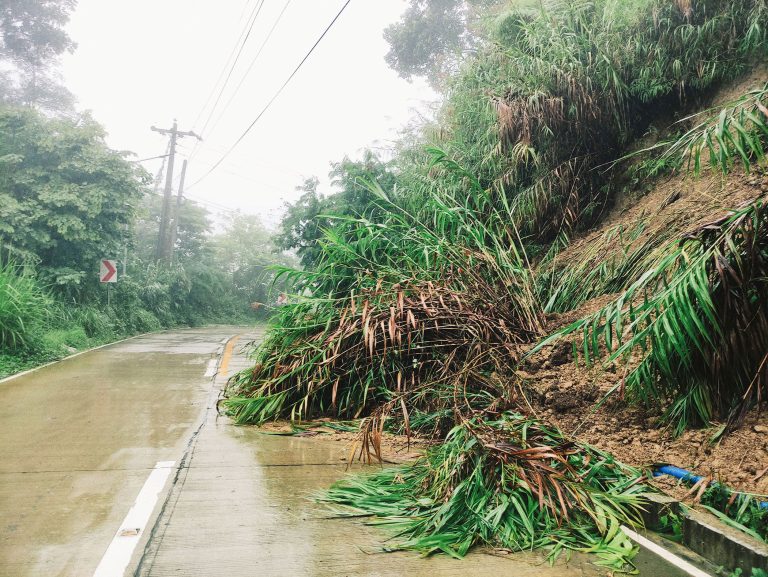
“Our mountainous terrain, fragmented project implementation, limited fiscal flexibility, and centralized infrastructure governance continue to hold as back,” she stressed.
With the present setup where planning is done nationally, the region has limited authority to tailor infrastructure investments to Cordillera’s geography and needs.
She explained that most infrastructure investments still depend on national programs and budget allocations, rather than local priorities. Despite wider access, internet quality still falls short of targets.
“This is where regional autonomy changes the picture. With the attainment of regional autonomy under House Bill No. 6981, CAR is set to move from a nationally-driven infrastructure model to one that we lead ourselves—with real authority over public works, transportation, water services, energy and natural resources. Infrastructure planning would finally be integrated with our land use, our environment, and the indigenous and cultural realities that make Cordillera Unique,” Babaran said.
Through HB 6981, the Cordillera aims to gain 3% continuing share in national taxes, 20 percent of which is earmarked annually for development projects, increased shares from natural resource revenues, and dedicated infrastructure subsidies to sustain strategic investments.
For the expected outcomes, improved implementation efficiency, stronger climate resilience, better regional connectivity, and investments aligned with Cordillera’s long-term priorities, Babaran added.
The kapihan was part of the activities for the 39th celebration of Cordillera Month with the theme “SMART CORDILLERA: Enabling Local Enterprises Through Digital Transformation and Accelerated Regional Autonomy.”
Joining the RDC Secom on Infra is the SECOM on Social Development chaired by the Department of Social Welfare and Development. **JDP/CCD-PIA CAR