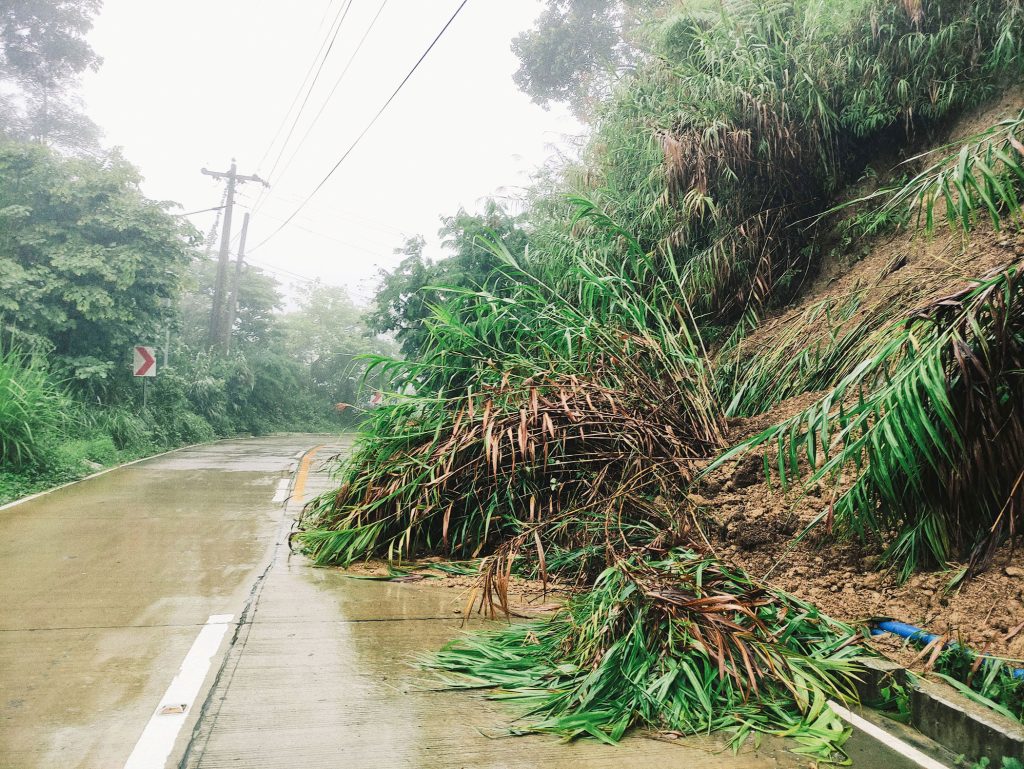
Following Typhoons Luis and Maymay's devastation of Northern Luzon, numerous landslides had occurred throughout the Cordillera region, including this one in Kamog Sablan, Wednesday, August 6, 2026.**Photo by neimless_skills
Gastroenteritis cases stabilize after peaking on July 5-11
BAGUIO CITY – The city government has intensified inspections of water and food establishments as cases of acute gastroenteritis (AGE) and other food- and water-borne illnesses increase, the city health office said Friday.
City Health Officer Dr. Celia Flor Brillantes said 163 AGE cases have been reported in communities, while 332 cases from hospitals are still being validated.
Based on reports from sentinel hospitals, bloody diarrhea cases increased to 42 from January to July this year, compared with 26 during the same period in 2025.
Fifteen cases were recorded in June and July alone.
The city also recorded five cholera cases from January to July, the same number reported during the same period last year.
Rotavirus cases more than doubled to 331 from January to July 2026, from 160 during the same period in 2025.
Eighty-four cases were recorded in June and July alone.
Typhoid fever cases also increased to 125 this year from 73 during the same period last year. From June to July, cases rose to 52 from 35 in 2025.
No deaths have been recorded from AGE, bloody diarrhea, cholera or rotavirus cases in 2025 and 2026, according to the city health office.
Brillantes urged residents to practice proper hygiene, drink safe water and observe sanitation measures to prevent the spread of food- and water-borne diseases.
She advised residents experiencing symptoms such as diarrhea, vomiting or abdominal pain to seek consultation at their district health centers.
The city government has also ordered the Environmental Health and Sanitation Division to intensify inspections of establishments, particularly those serving food and water.
Closure orders have been issued against establishments that failed water testing twice, according to the city government.
Cases of acute gastroenteritis (AGE) in Baguio City have stabilized following a surge recorded during morbidity week 27 or from July 5-11, according to the City Health Services Office (CHSO).
Data from the City Epidemiology and Surveillance Unit (CESU) of the CHSO showed that from June 22 to July 29, 2026, a total of 163 AGE cases were validated from the 166 initial reports received through the city’s QR code-enabled community surveillance system.
The highest number of reports was recorded on morbidity week 27 or from July 5-11 accounting for 45 percent of all validated cases.
The CESU said surveillance data indicate that case reporting has since stabilized.
City Health Officer Dr. Celia Flor Brillantes reminded residents to observe proper hygiene and safe food and water practices even as she assured that they will continue to closely monitor food and waterborne diseases in the city.
The CHSO advised residents to continue to practice proper handwashing, ensure food is prepared and stored safely and drink only safe or properly boiled water. Drinking water must be boiled for at least three minutes, especially if the source is uncertain.
The CHSO Environmental Health and Sanitation Division continues to conduct water quality testing of drinking water sources and immediately address adverse findings.
Sanitation Division Head Engr. Albert Pay-an said that from June to July, they have issued 34 sanitary orders to water delivery establishments with directives to temporarily cease operations.
CESU surveillance report covering January 1 to July 29, 2026 recorded 331 suspected rotavirus cases, 126 typhoid fever cases, 42 acute bloody diarrhea (ABD) cases and five suspected cholera cases in the city.
The surveillance also showed that the 15 to 24-year-old age group accounted for the largest share of cases at 33 percent, while 67 percent of patients were female. The most common symptoms reported were diarrhea (89 percent) and vomiting (54 percent).
More than half or 54 percent of patients sought medical consultation mostly in private clinics and no hospital admissions related to the monitored AGE cases were reported.
CESU said it will continue monitoring the situation closely to promptly respond to any increase in cases and protect public health.
The CHSO said the city’s enhanced community surveillance system enables health authorities to quickly detect, validate and monitor cases ensuring timely public health interventions. **Liza Agoot with the latest report from Aileen P. Refuerzo