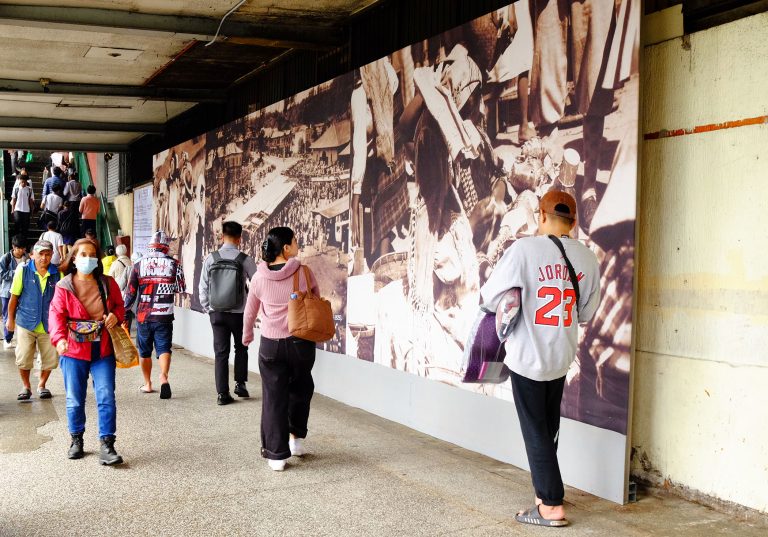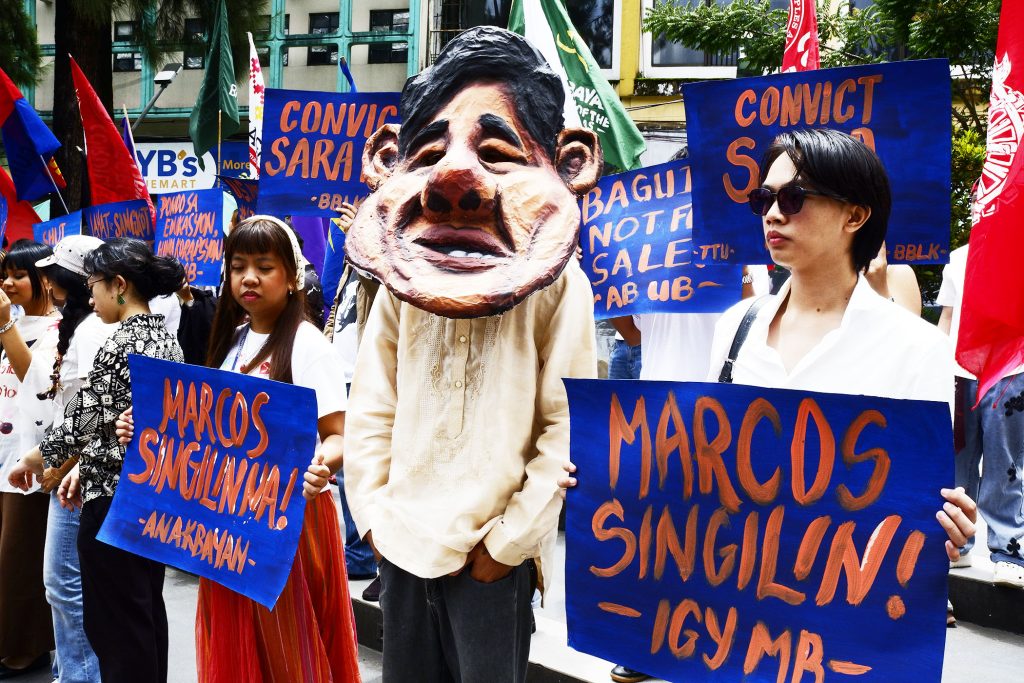
On Monday, July 27, 2026, protesters from various groups gathered at Malcolm Square in Baguio City to demand government accountability, social justice, and reforms in preparation for President Marcos Jr.'s 5th (SONA) State of the Nation Address later that day. **Photo by neimless_skills
Local barangay officials, community leaders, and concerned citizens raised sharp concerns over persistent illegal gambling and enforcement loopholes during a public consultation on July 23, 2026 regarding the city’s proposed Gambling Harms Prevention Ordinance.
Spearheaded by Councilor Paolo Raynor Salvosa, chairperson of the Committee on Laws and Governance, the consultation aimed to refine the draft legislation to establish a permanent, institutionalized framework to protect youth, regulate local gambling, and curb gambling-related harms across Baguio’s communities.
The forum highlighted a deep-seated frustration with “cat-and-mouse” enforcement games and the rising threat of online gambling targeting the youth.
During the open forum, several barangay leaders reported that despite local efforts, illegal gambling continues to thrive. A representative from District 8 noted that while they passed a resolution to ban gambling in their area, operations only ceased for three days before resuming. Similarly, a kagawad from City Camp Proper shared a harrowing experience where barangay officials had to lead a raid because police were hesitant to enter without a search warrant, only to see the suspects released shortly after.
Barangay officials highlighted how illegal operators have modernized to evade the law. A kagawad reported that some gambling dens are now “upgraded,” featuring CCTV cameras and “unauthorized headstores” to monitor and prevent entry. Enforcement challenges were further complicated by the dismissal of cases.
The Baguio City Police Office (BCPO) admitted that while they intensify operations, many cases filed are eventually dismissed in court. This led to calls from citizens to identify the “gaps” in police work that allow violators to escape conviction.
A portion of the discussion focused on the vulnerability of the youth. Student representatives from the University of the Cordilleras (UC) expressed alarm over “text blasts” promoting gambling sites, where a P500 bet is promised to turn into P500,000. They noted that students are increasingly using tuition money to “top up” online gambling accounts, leading to mental health issues and financial ruin.
Concerns were also raised about “Scatter” games, controversial online slots that lack strict age verification. While the Philippine Amusement and Gaming Corporation (PAGCOR) maintains a “Know Your Customer” (KYC) policy requiring players to be 21, students revealed that minors easily bypass these rules by using the identification cards of older friends.
In response to these concerns, the City Council is proposing the creation of a “Youth and Family Protection against Gambling Council”].” This body, led by a private citizen, would provide a dedicated channel for reporting illegal sites via digital platforms and ensure that the community, not just the police, is involved in monitoring gambling activities.
Councilor Paolo Raynor Salvosa emphasized that the ordinance aims to institutionalize the fight against gambling, moving beyond simple resolutions to create a lasting legal framework for protection and enforcement.
The City Council expects to deliberate on the ordinance further over the next six months. **Sean Kimrhed P. Lardizabal (UC BA Comm Student/SP Intern)