BAGUIO CITY(PIA) — The Department of Tourism-Cordillera Administrative Region (DOT-CAR) is promoting water conservation in the tourism sector through Project Waterfall, helping businesses use water efficiently and sustain operations amid the ongoing El Niño.
DOT-CAR Regional Director Jovita A. Ganongan highlighted the initiative during the ASEAN Forum: Weaving Heritage, Creativity, and Enterprise for Sustainable Regional Growth led by the Philippine Information Agency in Baguio City on Oct. 21, 2026.
“In destinations facing water shortages, conservation must be a regular practice,” Ganongan said, noting that hotels, restaurants, and tourism attractions depend on reliable water supplies to maintain their operations.
The initiative comes as the Philippine Atmospheric, Geophysical and Astronomical Services Administration (PAGASA) reported that a strong El Niño was active in the tropical Pacific and could intensify into a very strong weather event before the end of 2026, increasing the likelihood of below-normal rainfall and dry spells in parts of the country.
Through Project Waterfall, DOT-CAR recently conducted an orientation and action meeting to help tourism stakeholders assess their vulnerabilities to water shortages and identify practical conservation measures.
These measures include monitoring water consumption, repairing leaks, and installing water-efficient fixtures to reduce water use and operating costs.
Ganongan also reminded tourism establishments that water conservation is on DOT’s accreditation checklist.
The director stressed that conserving water is both an environmental responsibility and a business continuity measure, as shortages can disrupt tourism services and affect communities and local livelihoods.
But she also said individual efforts must be complemented by cooperation to protect the water sources upon which tourism and communities depend.
“Tourism challenges cannot be solved by businesses alone. Hotels can conserve water, but protecting watersheds requires wider cooperation. This is why cooperation among government agencies, local governments, tourism businesses, communities, and development partners is essential,” she said.
Ganongan also urged tourism enterprises to use resources efficiently and prepare business continuity plans to help them respond to water shortages and other disruptions.
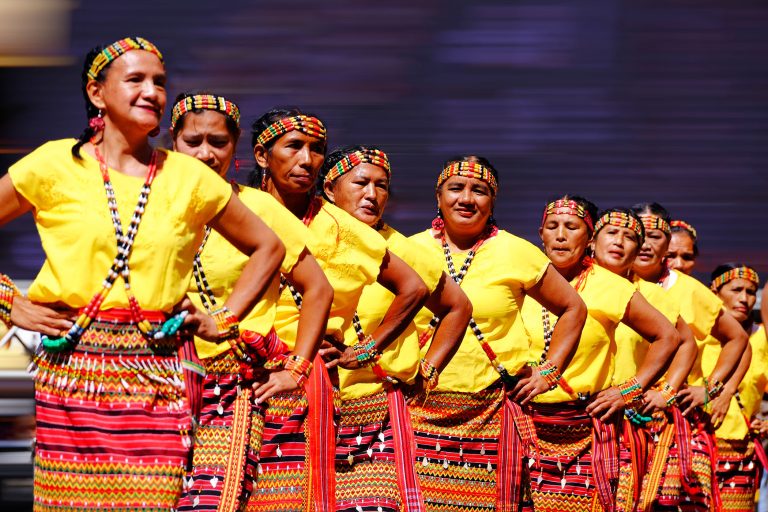
Beyond maintaining business operations, she emphasized that sustainable tourism must protect the natural and cultural heritage that draws visitors to the Cordillera while ensuring that local communities benefit from tourism.
“For the Cordillera, this is very important. Our mountains, rivers, forests, rice terraces, indigenous knowledge, and living traditions are valuable treasures that may be difficult or impossible to restore once lost. So, we must protect the very things that make the Cordillera special. And for all, of course, for the entire Philippines,” she said. **JDP/RGA-PIA CAR