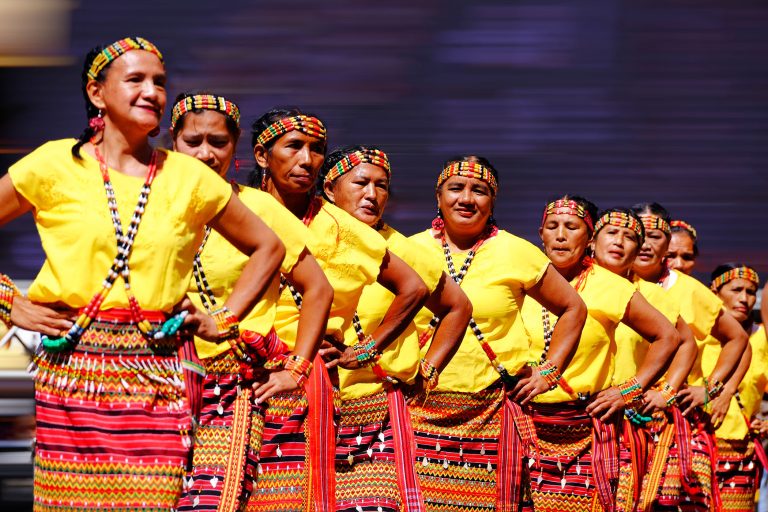
Unresolved ancestral land claims remain among the issues facing Baguio as the city reviews its land-use and development plans, with Indigenous rights advocate Joanna Cariño questioning a legal provision that she said continues to disadvantage the city’s native Ibaloi population.
In her presentation during the public consultation on October 14, 2026 regarding the updated Comprehensive Land Use Plan (CLUP) and proposed zoning ordinance amendments, Cariño criticized Section 78 of the Indigenous Peoples Rights Act (IPRA), describing it as discriminatory against Baguio’s Indigenous people.
Cariño traced the issue to the displacement of Ibaloi residents during the American colonial period when lands were expropriated for the Baguio Townsite Reservation and other purposes. She noted that Baguio is also associated with Cariño v. Insular Government, the landmark case that established the Doctrine of Native Title which recognizes land rights acquired through long-standing possession under native customs and traditions.
She argued that unresolved ancestral land claims perpetuate this historical injustice despite the legal recognition of native title.
Section 78 of IPRA provides that Baguio remains governed by its city charter and that lands within the Baguio Townsite Reservation retain their classification, with changes requiring congressional action. It also recognizes rights and titles acquired or recognized before the law took effect, while excluding territories added to the city after IPRA’s enactment from the provision.
The Baguio City Council has repeatedly discussed how Section 78 of IPRA and provisions of the Revised Baguio City Charter affect the recognition of ancestral land claims in the city.
In June 2024, former Councilor Arthur Allad-iw described Section 78 as a historical injustice, arguing that the provision undermines the protection IPRA was intended to provide Indigenous peoples. He pointed to the irony that Baguio, where the Doctrine of Native Title originated, remains subject to restrictions on the recognition of ancestral land claims.
In September 2024, the City Council discussed Supreme Court rulings that restricted the National Commission on Indigenous Peoples’ (NCIP) authority to issue Certificates of Ancestral Land Titles and Certificates of Ancestral Domain Titles within the Baguio Townsite Reservation. City Council members raised concerns about the implications for existing claims and called for clearer legal provisions.
The matter also extended to the Revised Baguio City Charter. During his January 13, 2025 privilege speech, Councilor Peter Fianza criticized its land-related provisions, including Section 54, which addresses ancestral land claims. He supported removing or amending Section 78 of IPRA and called for changes to the charter to better address Indigenous land rights and the city’s land management concerns.
At a joint special session on January 14, 2025, the City Council and NCIP agreed to work on a joint resolution urging Congress to repeal Section 78. City Council members also discussed ways to address difficulties involving ancestral land titles, property registration, and building and business permits.
These concerns are relevant to the city’s current land-use review where questions of ownership and the status of land claims intersect with housing, public reservations, development, and the allocation of land for different uses.
Cariño’s presentation also questioned the handling of ancestral land claims, citing controversial applications and titles that were later challenged or cancelled. She maintained that these cases did not negate the Doctrine of Native Title and called for legitimate claims to be resolved.
The consultation forms part of the city’s effort to review its development direction and land-use policies. While the CLUP and proposed zoning amendments guide how land is used and developed, the legal recognition and resolution of ancestral land claims involve separate processes and authorities.
The continuing debate over Section 78 and the Revised City Charter remains part of the wider discussion on how Baguio can plan its future while addressing the land rights of its Indigenous communities. **Jordan G. Habbiling